
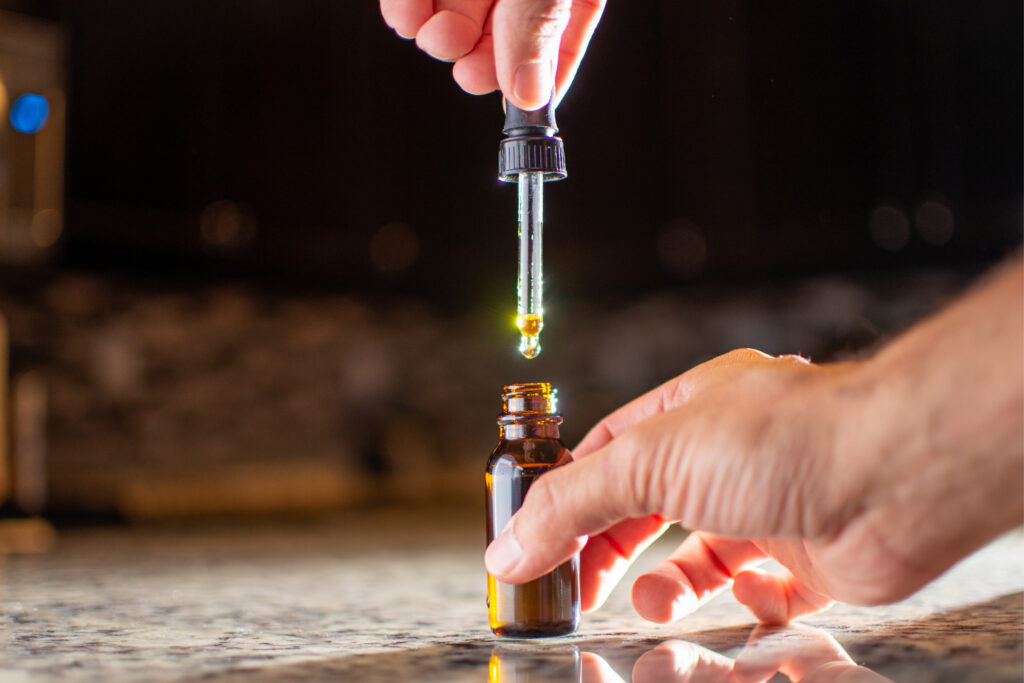
What is cannabidiol (CBD)?
Cannabidiol (CBD), a non-intoxicating phytocannabinoid derived from Cannabis sativa, has recently gained significant scientific interest for its potential therapeutic applications. In clinical practice, CBD has demonstrated efficacy in treatment of resistant epilepsy, particularly in conditions such as Dravet syndrome and Lennox-Gastaut syndrome. Randomized controlled trials have reported a median reduction in seizure frequency ranging from 36% to 50% among patients receiving adjunctive CBD therapy, resulting in the approval of CBD-derived treatments such as Epidiolex®.
Despite its therapeutic potential, perceptions surrounding CBD remain complex, largely due to its botanical origin from Cannabis sativa. There is often a misconception that CBD shares the psychoactive properties of Δ⁹-tetrahydrocannabinol (THC). However, unlike THC, CBD does not induce cognitive impairment, euphoria, or psychotomimetic effects, a distinction supported by neurocognitive studies. Clarifying this pharmacological difference is critical for healthcare professionals seeking to be up-to-date with emerging evidence within this area of research.
Beyond epilepsy, emerging evidence suggests that CBD maybe beneficial in chronic pain management, sleep regulation, and stress reduction/anxiety domains, particularly relevant to sports medicine and sports nutrition. Preclinical and early phase clinical data indicate that CBD exerts analgesic, anxiolytic, and sleep promoting effects, primarily through modulation of the endocannabinoid system and serotonergic signaling pathways.
Regulatory landscapes are evolving accordingly. The United States, Canada, the United Kingdom, Germany, Australia, Lebanon, and Morocco have legalized or decriminalized the use of pharmaceutical-grade CBD under controlled circumstances. The World Anti-Doping Agency (WADA) also removed CBD from its Prohibited List in 2018, underscoring its recognized potential in athlete recovery protocols.
Within sports nutrition, CBD is being investigated for its capacity to attenuate exercise induced inflammation, improve sleep quality, and accelerate recovery, factors that may indirectly support enhanced athletic performance. However, issues surrounding optimal dosing, standardization of formulations, and long-term safety remain active areas of research.
It is important to note that CBD remains prohibited in Qatar, and strict adherence to local legal frameworks is mandatory. Nevertheless, as high quality evidence regarding its safety and efficacy continues to expand, it is prudent to monitor potential shifts in regulatory policies within the region.
Given the rapidly evolving scientific and regulatory environment, it is essential that healthcare professionals remain informed to appropriately counsel patients regarding the safe and legal use of CBD in clinical contexts especially that it is being used as a pain killer in many forms such as muscle rubs and oils in other countries.

Ghada ALMousawi
One response to “Hello world!”
-
Hi, this is a comment.
To get started with moderating, editing, and deleting comments, please visit the Comments screen in the dashboard.
Commenter avatars come from Gravatar.

Leave a Reply to A WordPress Commenter Cancel reply